Global Crises and the Urgent Need to Strengthen Medical Care Systems
The current global landscape is marked by a convergence of complex crises that are reshaping how healthcare systems operate worldwide. From the ongoing conflict involving Iran to escalating tensions in Lebanon and disruptions to global energy supply, these events are not isolated, they are interconnected challenges with direct consequences for public health and medical assistance.
Recent developments have shown how fragile global stability can be. Military escalations, such as intensified attacks in Lebanon and ongoing regional conflict, have placed significant pressure on local healthcare systems, with hospitals facing surges in casualties and limited resources.
At the same time, the disruption of key energy routes—particularly through the Strait of Hormuz, has triggered a global fuel crisis, affecting transportation, supply chains and access to essential medical resources.
When Global Crises Become Healthcare Crises
In today’s interconnected world, geopolitical conflicts quickly translate into healthcare challenges:
- Increased demand for emergency medical care in affected regions
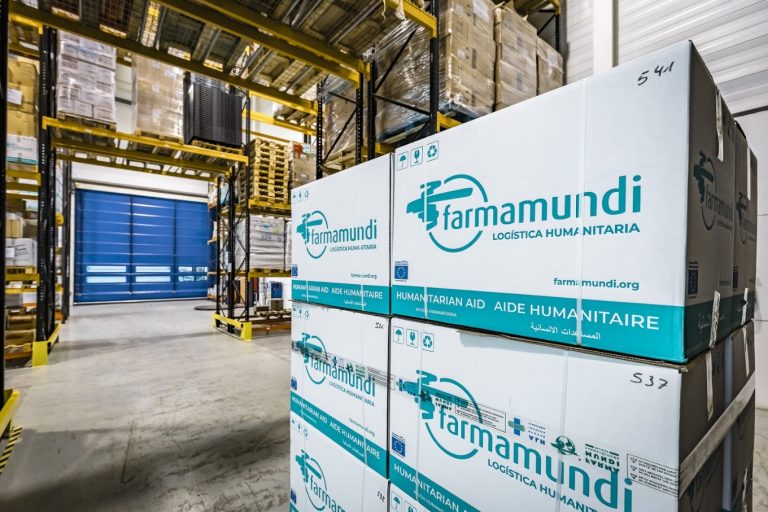
- Disruptions in medical supply chains, including pharmaceuticals and equipment
- Limited access to fuel impacting ambulances, air transport and logistics
- Delays in medical evacuations and repatriations
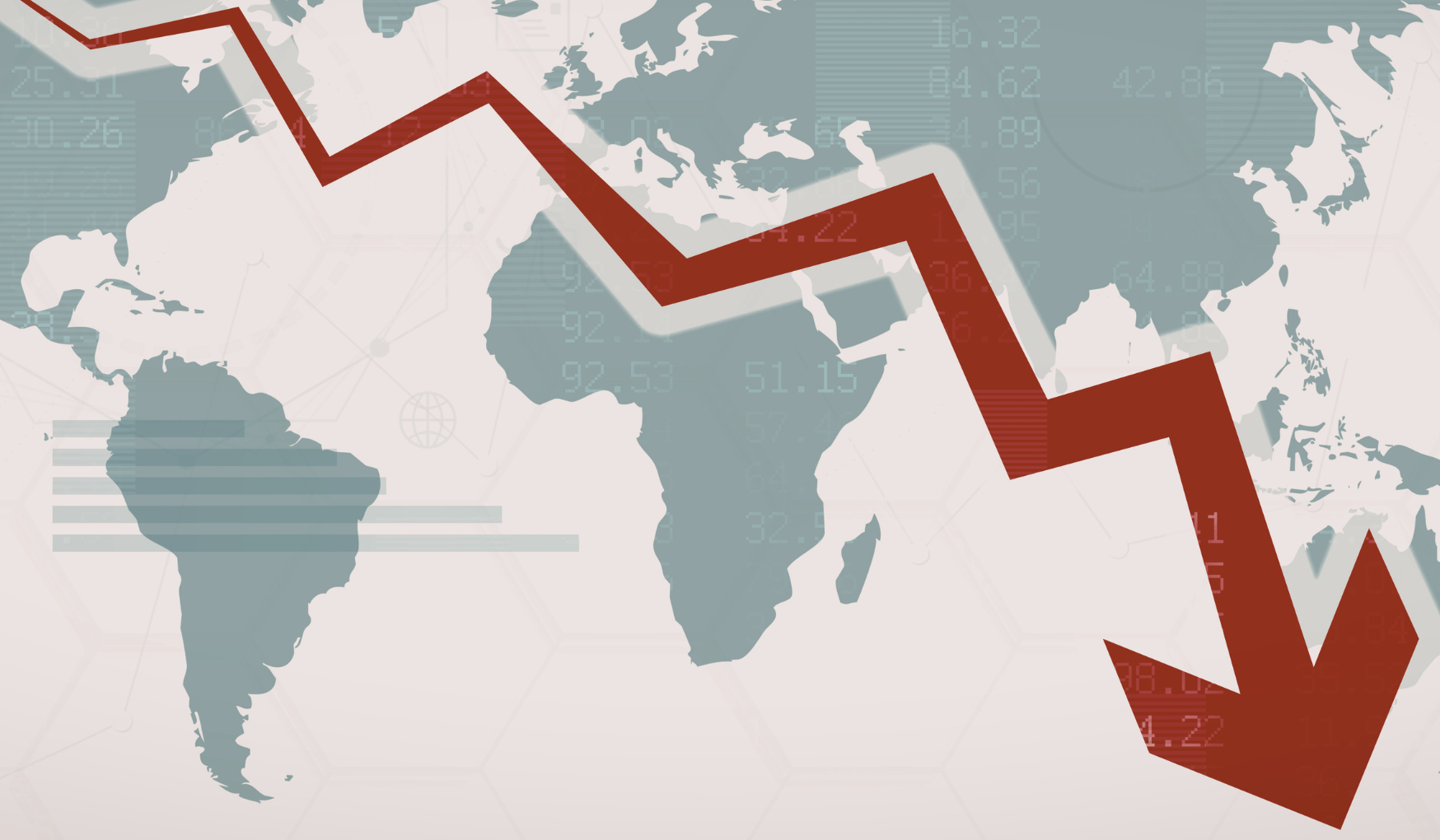
The current fuel crisis, driven by supply disruptions and rising oil prices, is already impacting global transportation systems and could further complicate access to healthcare services worldwide.
In parallel, large-scale evacuations and population displacement create additional pressure on healthcare infrastructure, requiring rapid coordination and cross-border support.

The Critical Role of Medical Assistance and Coordination
Healthcare systems alone cannot respond to these challenges in isolation. Effective response depends on:
- Strong international networks of healthcare providers
- Rapid medical evacuation and repatriation capabilities
- Real-time communication between global partners
- Local expertise supported by global coordination
At MCI Group, we see firsthand how global collaboration enables continuity of care even in unstable environments. The ability to connect local providers with international resources ensures that patients receive appropriate care despite logistical and geopolitical constraints.
Energy, Logistics and Healthcare: A Critical Connection
The current fuel crisis highlights an often-overlooked reality: healthcare depends on energy.
From powering hospitals to enabling medical transport and maintaining supply chains, energy availability is a fundamental component of healthcare delivery. When fuel supply is disrupted:
- Air ambulances and repatriation flights face operational challenges
- Medical supply chains slow down or become more expensive
- Healthcare facilities in vulnerable regions may struggle to operate efficiently
This reinforces the need for resilient systems that can adapt to external shocks.
Building Resilient and Adaptive Healthcare Systems
Strengthening medical care systems today means preparing for uncertainty.
Key priorities include:
- Developing resilient global healthcare networks
- Investing in local capacity and infrastructure
- Enhancing crisis response protocols and coordination
- Ensuring flexibility in logistics and medical transport
Resilience is not only about responding to emergencies, it is about maintaining continuity of care under pressure.
A Shared Global Responsibility
Global crises require collective solutions. Governments, healthcare providers, private organizations, and international networks must work together to ensure that healthcare systems remain functional and accessible.
Collaboration, trust and shared expertise are essential to navigating uncertainty and protecting patient outcomes.
Looking Ahead
The current geopolitical and economic landscape is a reminder that healthcare systems must be prepared to operate in complex and unpredictable environments.
At MCI Group, we remain committed to strengthening global medical assistance, supporting coordinated care and building resilient systems that can withstand the challenges of an evolving world.
Because in times of crisis, access to reliable medical care is not only essential, it is life-saving.