Duty of Care in 2026: From Compliance to Strategic Advantage
In today’s rapidly evolving global environment, Duty of Care is a strategic priority for organizations operating across borders. Geopolitical instability, regional conflicts, energy disruptions and shifting global risks are redefining how companies must approach the safety and wellbeing of their people. In this context, Duty of Care is evolving from a compliance-driven function into a core pillar of business resilience and operational continuity.
A New Risk Landscape
The global landscape in 2026 is marked by uncertainty. Ongoing geopolitical tensions, regional instability and disruptions in supply chains and mobility have created an environment where risks can escalate quickly and unpredictably.
For organizations with internationally mobile employees, expatriates, or global operations, this means:
- Increased exposure to health and security risks
- Greater complexity in managing cross-border incidents
- Higher expectations for rapid response and coordination
- The need for real-time visibility and decision-making
Duty of Care can no longer be reactive. It must be proactive, structured and integrated into business strategy.
Beyond Compliance: A Strategic Shift
Traditionally, Duty of Care has been associated with meeting legal requirements, ensuring that employees are protected and that companies fulfill their obligations. Today, leading organizations are going further.
They are recognizing that a strong Duty of Care framework:
- Protects employee wellbeing and safety
- Enhances organizational reputation and trust
- Supports talent attraction and retention
- Ensures business continuity in times of crisis
In other words, Duty of Care is no longer just about avoiding risk, it is about creating value and strengthening resilience.

The Role of Medical Assistance and Global Coordination
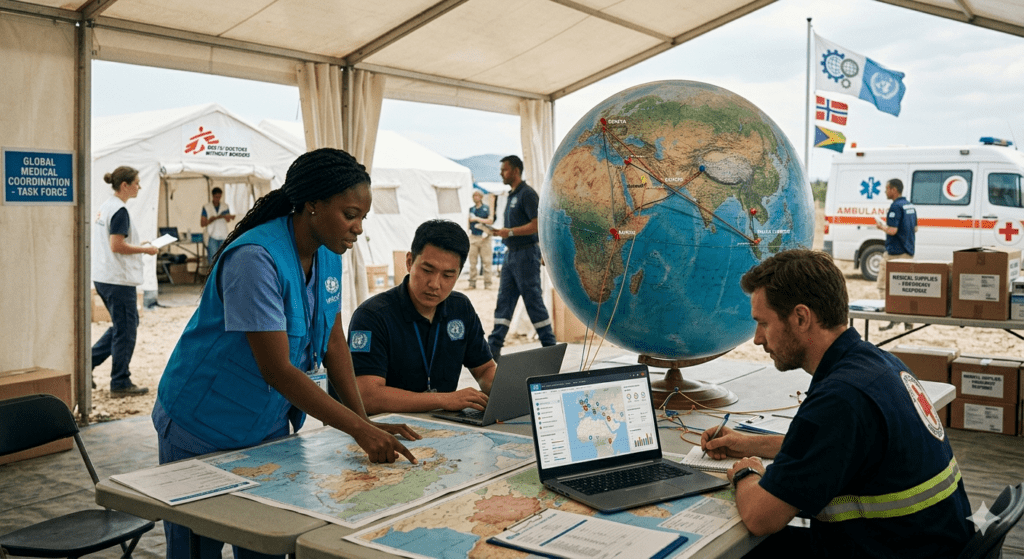
In a world where risks are increasingly cross-border, Duty of Care requires global coordination and local expertise.
Medical emergencies, evacuations, repatriations and complex case management demand:
- Immediate access to reliable healthcare providers
- Efficient medical transport and logistics
- Real-time communication across multiple stakeholders
- Clinical oversight and decision-making
Without the right operational partner, even the most well-designed policies can fall short in practice.
From Policy to Action: Why Operational Capability Matters
Having a Duty of Care policy is essential, but execution is what truly protects people.
Organizations must ensure they have:
- A trusted global network of healthcare providers
- 24/7 operational support and coordination
- The ability to respond quickly in high-risk environments
- Expertise in managing complex, multi-country cases
This is where operational capability becomes a competitive advantage.
MCI Group: From Assistance to Protection
At MCI Group, we understand that Duty of Care is not theoretical, it is operational.
We work alongside insurers, corporations, and partners to ensure that their people are supported wherever they are in the world. Through our global network, medical expertise and coordination capabilities, we provide:
- End-to-end medical assistance
- Emergency response and evacuation services
- Medical repatriation and case management
- Access to trusted healthcare providers worldwide
Our approach goes beyond traditional assistance.
We don’t just assist, we protect your people globally.
Looking Ahead
As global risks continue to evolve, organizations must rethink how they approach Duty of Care. Those that invest in strong partnerships, operational readiness and global coordination will not only mitigate risk—they will build more resilient, responsible and competitive organizations. In 2026 and beyond, Duty of Care is no longer just about compliance.
It is about preparedness, protection and strategic advantage.