When Minutes Matter: The Hidden Complexity Behind Medical Case Coordination
In global medical assistance, the moment a case is activated, time becomes the most critical factor. What may appear from the outside as a simple request for support is, in reality, a highly coordinated operation involving multiple stakeholders, rapid decision-making and constant communication across borders. Because when minutes matter, coordination is everything.
The Moment a Case Begins
Every medical case starts with a trigger: a call, an alert, or a request for assistance. From that moment, a complex process is set in motion. Behind the scenes, teams begin to assess the situation, gather information and determine the most appropriate course of action, often within minutes. Key questions must be answered immediately:
- What is the patient’s condition?
- Is local treatment sufficient, or is transfer required?
- Which facilities are available and appropriate?
- What are the logistical constraints?
This initial phase is critical. Early decisions can directly impact patient outcomes.
A Network of Stakeholders
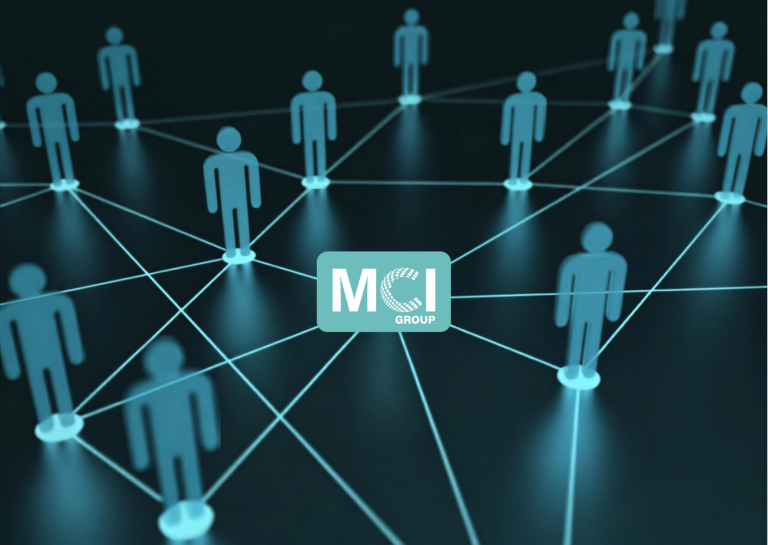
Medical case coordination is never handled by a single entity. It involves the synchronization of multiple actors, each with a specific role:
- Hospitals and treating physicians, providing clinical evaluation and care
- Insurers and assistance partners, ensuring coverage and authorization
- Families, requiring clear communication and reassurance
- Transport providers, coordinating ground or air medical transfers
- Medical coordinators, overseeing the entire process
Each stakeholder operates with different priorities, timelines and constraints. The challenge lies in aligning them, quickly and effectively.
Decision-Making Under Pressure
Unlike planned medical processes, assistance cases unfold in real time, often under uncertainty. Information may be incomplete. Conditions may change rapidly. Logistics may be affected by geography, infrastructure, or external factors.
In this environment, decision-making requires:
- Clinical expertise
- Operational experience
- Risk assessment
- Clear communication
Every decision must balance speed with accuracy, ensuring that actions are both timely and appropriate.

Coordination: The Critical Factor
The difference between an effective response and a delayed one often comes down to the quality of coordination.
Strong coordination ensures that:
- Information flows seamlessly between stakeholders
- Medical decisions are aligned with logistical capabilities
- Delays are minimized
- Patients receive the right care at the right time
Poor coordination, on the other hand, can lead to misunderstandings, inefficiencies and increased risk. This is why coordination is not a secondary function, it is the core of medical assistance operations.
From Logistics to Patient Care
While logistics play a major role, medical case coordination is ultimately about people. Behind every case is a patient, often in a vulnerable situation and a family seeking reassurance and clarity. Effective coordination must therefore combine:
- Clinical oversight
- Operational execution
- Human communication
It is not only about moving patients, it is about ensuring continuity of care, safety and trust throughout the process.
MCI Group: Coordinating When It Matters Most
At MCI Group, medical case coordination is at the heart of what we do. Through our global network, medical expertise and operational capabilities, we manage complex cases across regions, connecting stakeholders and ensuring that every step is aligned.
From the first call to the final outcome, our teams work to deliver:
- Rapid response and case activation
- Continuous medical oversight
- Seamless coordination between partners
- Safe and efficient patient transfers
Our approach reflects a clear principle:
Medical assistance is not just a service, it is a highly coordinated operation.
Looking Ahead
As global mobility increases and healthcare systems become more interconnected, the complexity of medical case coordination will continue to grow. Organizations must rely on partners who can navigate this complexity with precision, speed and expertise.
Because when minutes matter, what happens behind the scenes makes all the difference.