Human First, Always: Why MCI Refuses Fully Automated Assistance
The Role of Technology in Modern Medical Assistance
Technology has transformed the international assistance industry. Digital tools improve speed, organization, and access to information. Medical assistance continues to rely on human expertise, responsibility, and ethical judgment.
Human Judgment in Medical Decision Making
Medical cases involve uncertainty and emotional stress. Patients and families require reassurance and clear communication. These needs extend beyond data processing. Human professionals interpret medical information within context and respond with empathy and experience.
Communication and Emotional Support for Patients
Automated systems support decision making by organizing data and highlighting options. Final decisions remain with trained professionals who evaluate medical, logistical, and emotional factors together. This approach ensures accountability and flexibility.
Ethical considerations are central to medical assistance. Decisions regarding treatment, transfers, and repatriation affect lives directly. Human judgment ensures that these decisions reflect responsibility and respect for patient wellbeing.
Technology as a Support Tool for Professionals
Technology enhances efficiency when aligned with professional oversight. Tools assist with provider identification, case tracking, and communication. Experienced teams guide their application to ensure appropriate outcomes.
Maintaining a Human Centered Assistance Model
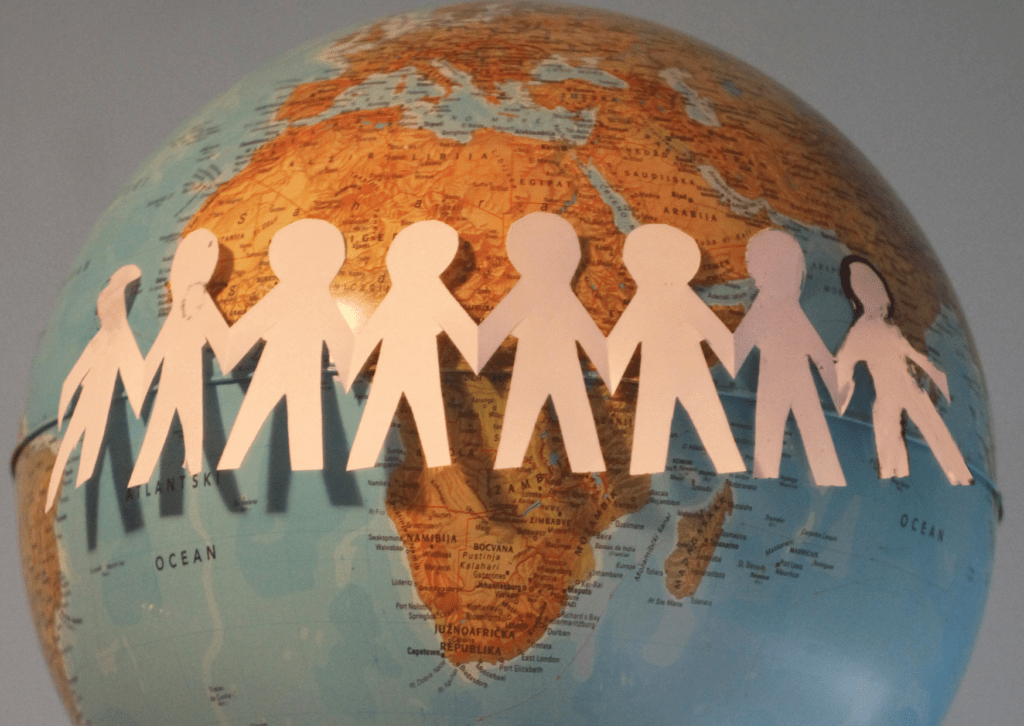
Maintaining a human centered model strengthens trust with partners and providers. Clear communication and professional collaboration support long term relationships and reliable service delivery.
Medical assistance carries responsibility that extends beyond operational efficiency. Human leadership ensures that innovation remains aligned with care, safety, and dignity.