Medical Evacuation vs. Medical Repatriation: Understanding Two Critical Components of Duty of Care
In global healthcare assistance, the terms medical evacuation and medical repatriation are often used interchangeably. However, for risk managers, HR teams and insurers, understanding the distinction is essential to ensuring the right decisions are made at the right time. While both services are critical components of a comprehensive Duty of Care strategy, they serve different purposes within the patient journey, one focused on urgency, the other on continuity, recovery and long-term wellbeing.
Medical Evacuation: A Time-Critical Intervention
Medical evacuation is deployed when a patient requires immediate transfer to a facility capable of delivering urgent or specialized care that is not available locally. Its purpose is clear: to stabilize the patient by reaching the nearest appropriate medical facility as quickly as possible.
-
Objective: Immediate stabilization
-
Driver: Time-sensitive medical need
-
Destination: Closest suitable medical facility
While essential in emergencies, medical evacuation represents only the first phase of care in many complex cases.





Medical Repatriation: A Structured Path to Recovery
Once a patient is stabilized, the focus shifts toward what comes next and this is where medical repatriation becomes a critical, highly specialized process. Medical repatriation is not simply a transfer. It is a clinically driven, carefully coordinated journey designed to ensure that patients can safely continue their treatment in their home country or in a preferred healthcare facility.
Objective: Continuity of care and recovery
Driver: Medical stability, safety, and patient wellbeing
Destination: Home country or chosen medical facility
Unlike emergency evacuations, repatriations require detailed medical planning, risk assessment and multidisciplinary coordination.
Clinical Expertise at the Core of Repatriation
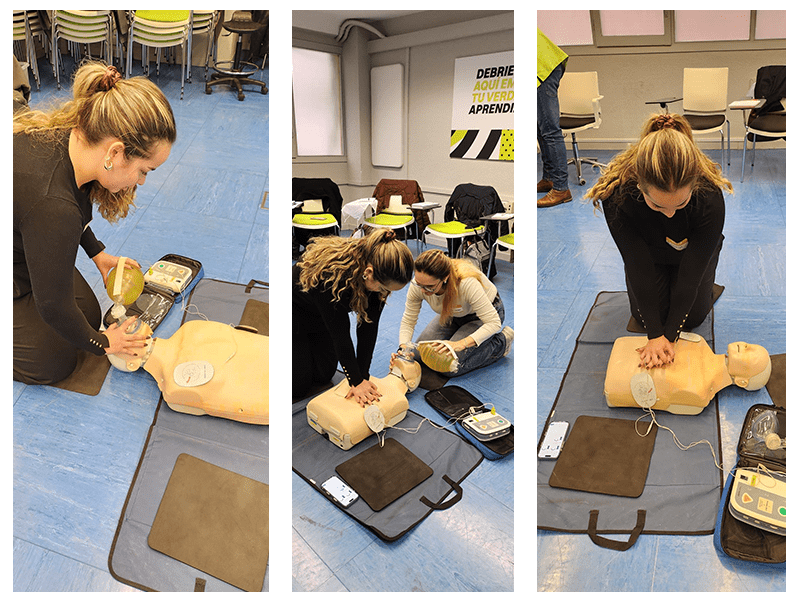
At MCI Group, medical repatriation is guided by a strong commitment to clinical excellence and patient safety. Our dedicated repatriation medical team plays a central role in every case. From initial evaluation to post-transfer follow-up, our physicians ensure that each patient is fit to travel, that the appropriate medical escort and equipment are selected, and that all risks are carefully mitigated. This commitment is further reinforced by continuous professional development, including internationally recognized certifications such as Advanced Cardiovascular Life Support (ACLS), strengthening our ability to manage complex and high-risk patient transfers. Repatriation requires more than logistics, it demands medical judgment, precision and experience at every stage.
The Role of MCI LATAM and MCI Assist in Repatriation Excellence
Delivering effective repatriation services across regions requires deep local expertise combined with global coordination capabilities. Through MCI Latam, we ensure strong operational presence across Latin America, managing regional complexities such as healthcare system variability, geographic distances, and regulatory requirements. At the same time, MCI Assist provides the coordination framework that connects all stakeholders involved in the repatriation process, from hospitals and treating physicians to transport providers and insurers. Together, these entities enable:
Seamless medical and logistical coordination across borders
Careful selection of receiving facilities for continuity of care
Ongoing communication with families, partners, and healthcare providers
End-to-end case management with a patient-centered approach
This integrated model ensures that repatriation is not only safe, but also efficient, compassionate and aligned with the patient’s long-term recovery needs.
Beyond Transport: A Responsibility to Care
Medical repatriation represents a pivotal moment in the patient journey. It is where clinical stability meets human care and where decisions extend beyond urgency to consider comfort, familiarity and emotional wellbeing.
Returning a patient home is not only a logistical achievement, it is a responsibility that requires trust, expertise and coordination.
One Continuous Journey of Care
Medical evacuation and medical repatriation are not interchangeable, they are complementary stages of a single continuum of care. One responds to crisis. The other supports recovery. At MCI Group, with the support of MCI Latam and MCI Assist, we ensure that every patient receives the right care, at the right time and in the right place.
Because in global medical assistance, the journey does not end with stabilization, it continues until recovery is safely underway.