Preparedness in Motion: Lessons from the Postponement of ITIC Americas
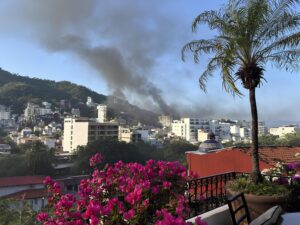
The recent postponement of ITIC Americas in Puerto Vallarta, following official government travel alerts, highlights an important reality in global mobility. Even well-established tourist and business destinations can face sudden changes in their risk profile.
While the event has been responsibly rescheduled to 31 May – 2 June, the decision reinforces a broader principle for internationally operating organizations: risk environments are dynamic. Preparedness cannot rely solely on historical safety perceptions or reputation. It must be grounded in real-time awareness and structured contingency planning.
Duty of Care in a Fluid Risk Landscape
Employers and institutions sending staff, students, or representatives abroad carry a responsibility that extends beyond travel arrangements. Corporate travelers, expatriates, students, and diplomatic personnel require comprehensive medical and operational support systems that remain responsive as conditions evolve.
Government travel advisories, regional security shifts, infrastructure challenges, and public health developments can alter operating environments with limited warning. In these moments, resilience depends on preparedness.
Effective Duty of Care frameworks include:
-
Continuous monitoring of evolving regional conditions
-
Immediate access to medical coordination
-
Secure and reliable communication channels
-
Established local provider partnerships
-
Structured escalation and contingency planning
Preparedness is not limited to evacuation capacity. It involves coordinated decision-making, clinical oversight, and operational continuity.
MCI Group’s Regional Readiness
At MCI Group, we support organizations operating across diverse and sometimes complex environments. Today, we support more than 4,000 small and medium-sized enterprises in Spain alone, ensuring coordinated medical assistance, cost containment and rapid intervention across multiple regions. Our international network, strengthened by IAG partnerships, enables us to act locally while maintaining global standards. Through our established European structure and our regional hub in the Caribbean, MCI Latam is positioned to provide coordinated medical assistance across Latin America.
Our validated provider network supports:
-
Corporate travelers
-
International students
-
Digital nomads and expatriates
-
Government and embassy personnel
By combining local presence with global standards of medical management, compliance, and cost control, we ensure agility without compromising quality.
From Headlines to Structured Resilience
The postponement of a major international event due to travel advisories serves as a reminder that risk does not follow predictable patterns. It can emerge in developed business and tourism hubs as readily as in traditionally high-risk regions.
Organizations with international footprints benefit from structured partnerships with experienced assistance providers capable of navigating both routine medical needs and sudden environmental shifts.
At MCI Group, our commitment remains clear: to provide reliable, transparent, and regionally informed medical assistance that protects people and supports operational continuity when circumstances change.
In global mobility, preparedness is not an optional safeguard. It is a core responsibility.